

Applications Overview
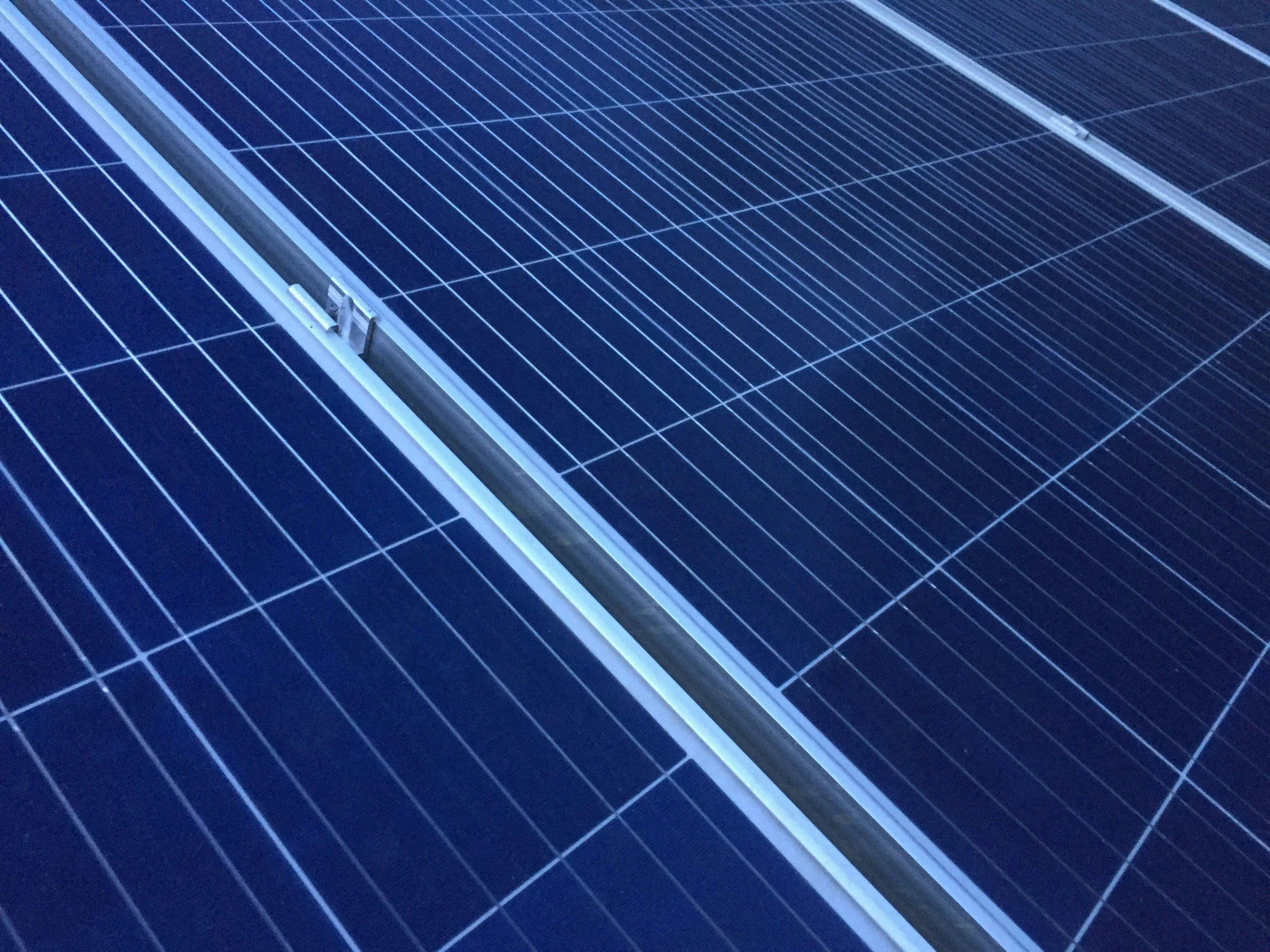
Solar
Solar cell technology is evolving fast and silicon alone can't keep up. Nano-C supplies fullerene and non-fullerene based materials and transparent conducting materials developed for perovskite tandem, single-junction, and organic thin-film solar architectures. Whether you're scaling utility solar or developing next-generation flexible devices, Nano-C provides the industrial-scale materials your R&D and production teams need.
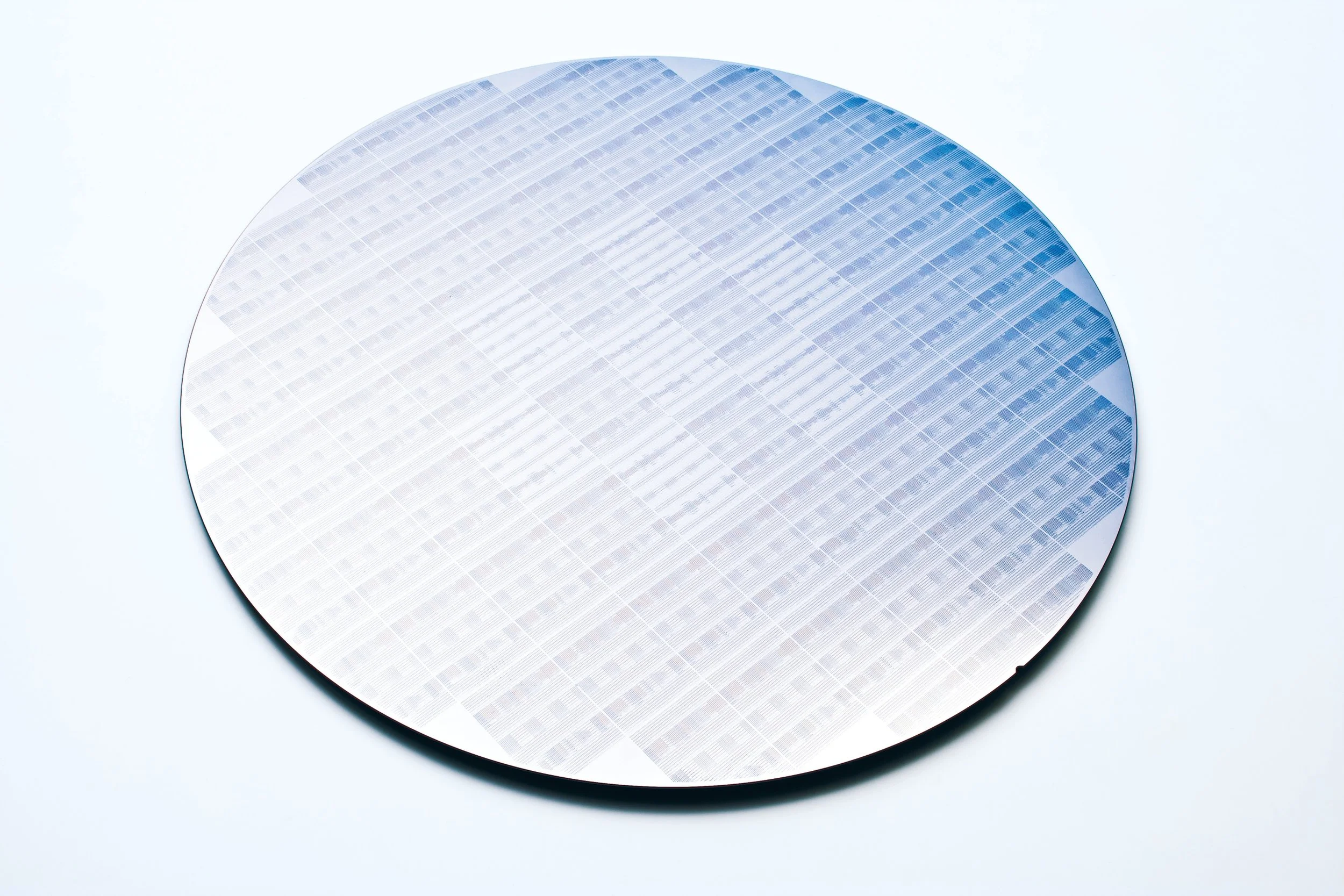
Semiconductor
Nano-C's fullerene-based spin-on carbon (SOC) hardmasks and underlayers are engineered for the demands of advanced node lithography, including sub-7nm and high-NA EUV processes.
With ultra-high carbon content, minimal hydrogen presence, and CVD-level carbon loading in a solution-processable format, Nano-C’s Liquid Carbon™ SOC materials deliver the etch resistance, film uniformity, and thermal stability that multilayer patterning requires. The result is reduced feature distortion, improved process control, and a reliable path to next-generation 3D device scaling.

Batteries
Nano-C's single-walled carbon nanotube (SWCNT) conductive battery additives address the performance limitations of next-generation battery chemistries, including those with silicon anodes and high-nickel cathodes.
SWCNTs improve energy density, power density, and cycle life by enhancing electron transport, reinforcing electrode structure against expansion and contraction during cycling, and supporting thermal management. The combination of mechanical, electrical, and thermal properties in a single additive makes SWCNTs a practical tool for battery engineers working to close the gap between laboratory performance and real-world reliability.

Pipeline
Nano-C's fullerene and SWCNT materials are under active development for a range of emerging applications, including transparent conductive electrodes, flexible displays, carbon composites, soft robotics, organic photodetectors, and hydrogen fuel cell components. Across these areas, the same core material properties that define Nano-C's existing products open pathways into applications where conventional materials reach their limits.

Materials That Power Our World™ start here.
From solar cells to advanced lithography, Nano-C develops and supplies advanced carbon-based materials behind today's most critical applications.