

Product Overview
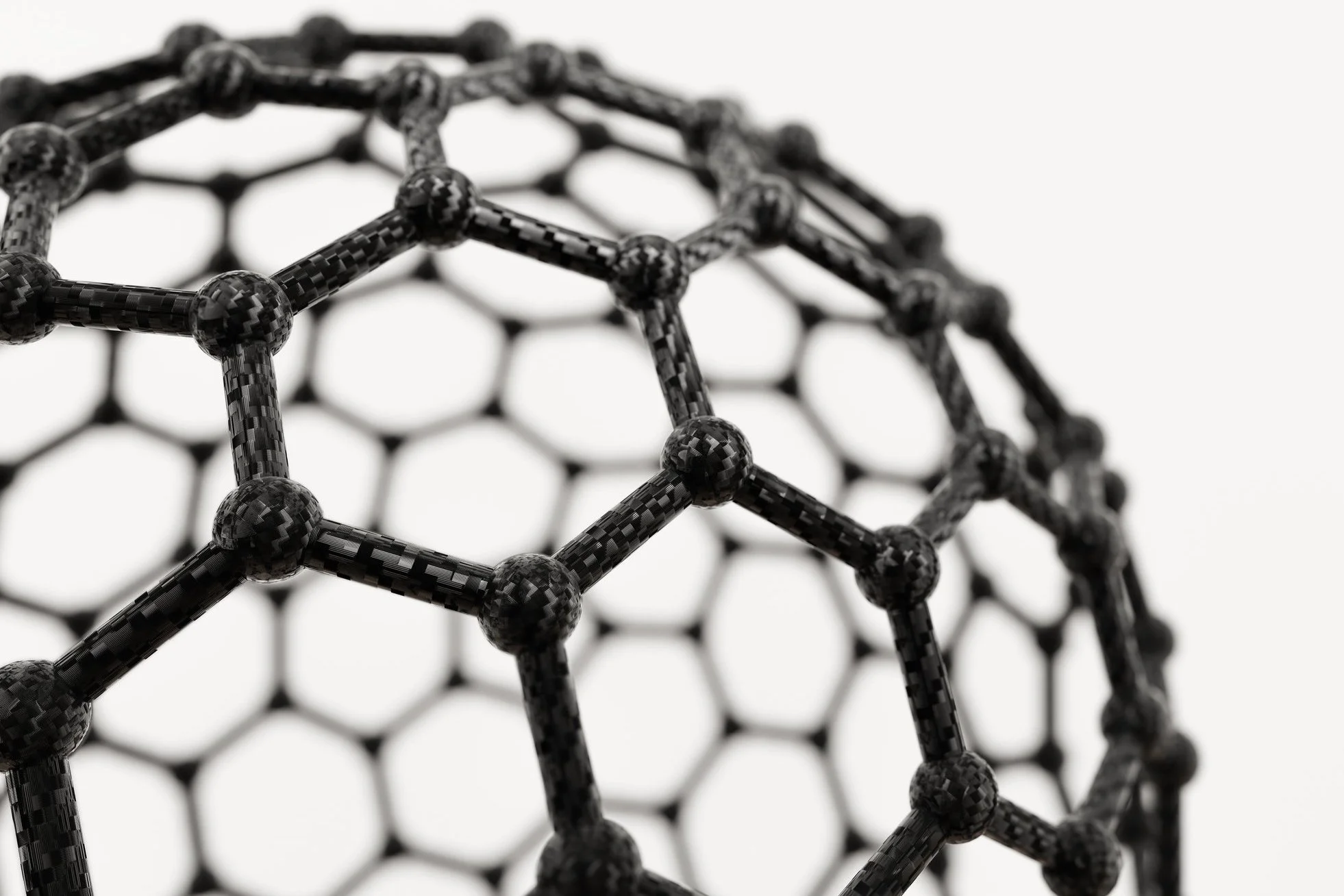
Interlayer Materials
Electron and hole transport layers are among the most performance-critical components in a photovoltaic device stack. Nano-C's interlayer portfolio spans fullerene ETLs, with an expanding HTL portfolio in active development. Nano-C materials have been used in some of the highest-performing and most stable PV devices produced to date.

Electron Acceptors
Nano-C produces the broadest commercially available portfolio of fullerene and non-fullerene electron acceptors, spanning C60 and C70 fullerenes and an extensive library of standard and proprietary derivatives. Our materials are manufactured to the highest purity and batch consistency standards and are available at commercial scale.
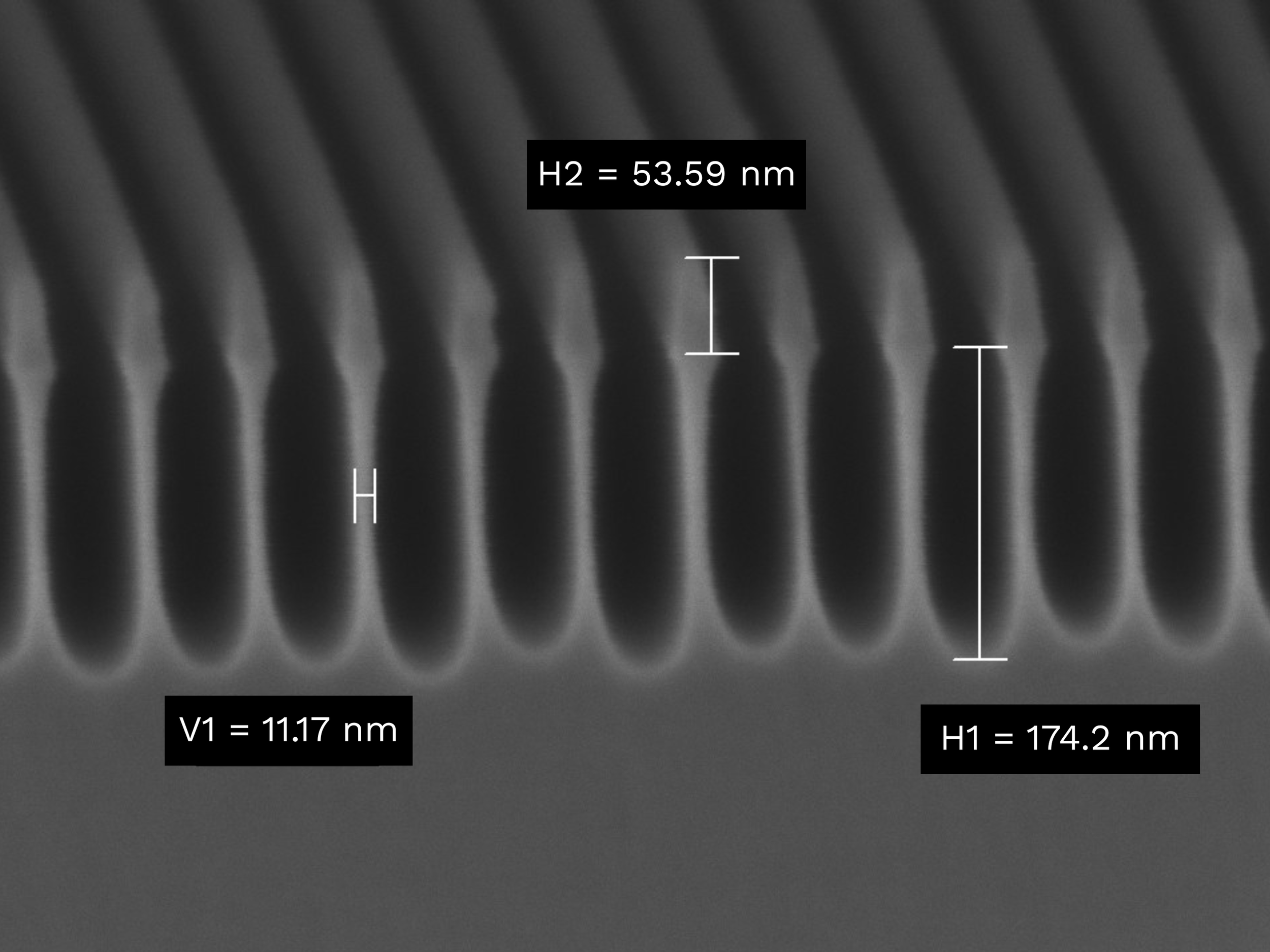
Spin-on-carbon Hardmasks
Nano-C's LiquidCarbon™ spin-on formulations match or exceed CVD carbon loading. With carbon content above 90%, high thermal stability, and etch durability, LiquidCarbon™ meets the demands of advanced node semiconductor lithography. LC13 and LC18 are standard product classes within the portfolio, and LiquidCarbon™ can be tuned across concentration, solvent system, and chemical functionalization to address the most challenging patterning requirements.
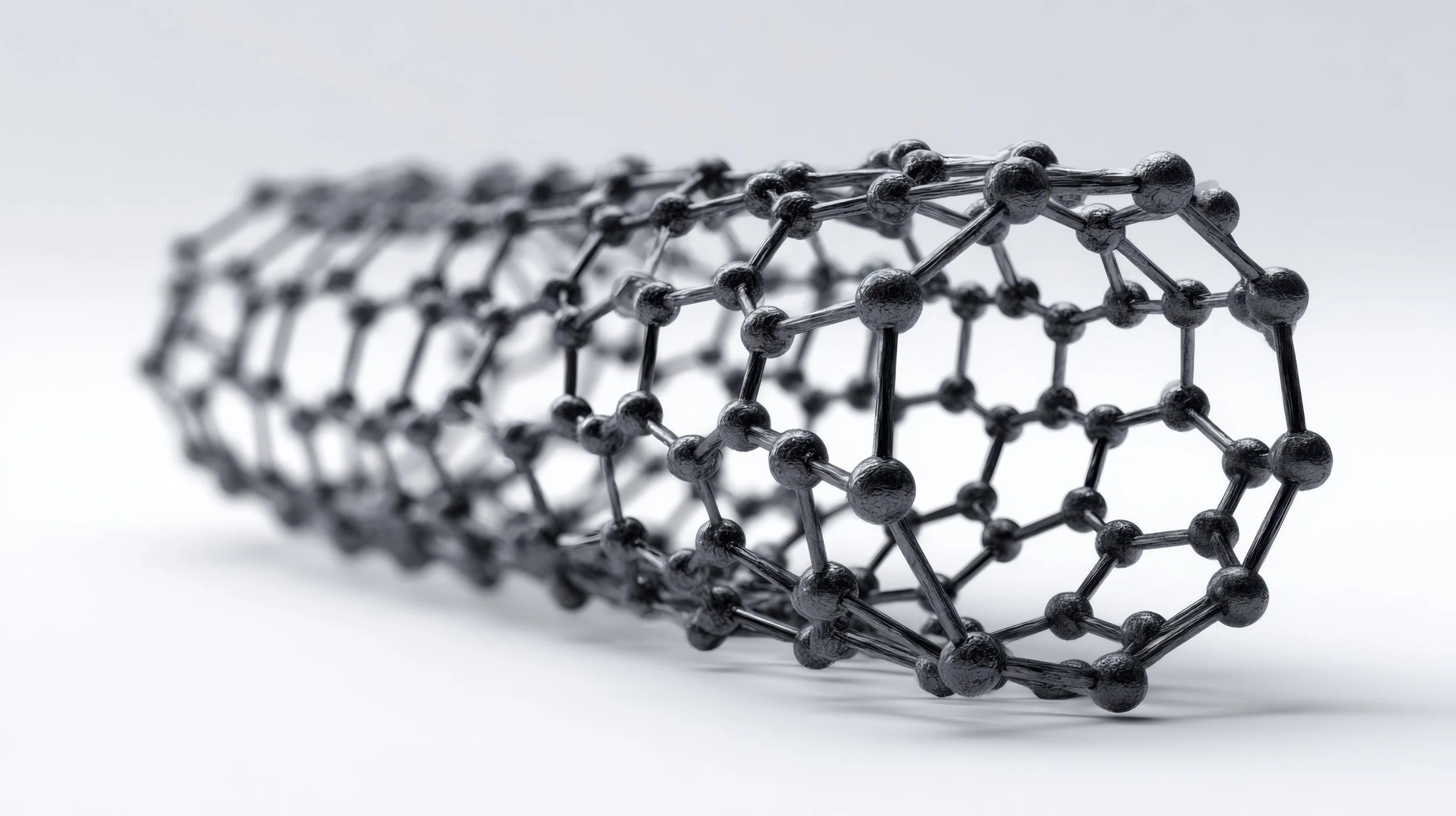
Transparent Conductive Inks
ITO has defined transparent conductive films for decades, but its brittleness and processing demands make it a poor fit for flexible, large-area, and next-generation device architectures. Nano-C's Invisicon™ SWCNT and hybrid-SWCNT inks deliver comparable optical transparency and conductivity without the constraints, processing via spray, inkjet, and roll-to-roll coating methods compatible with established manufacturing workflows.

From molecular design to industrial-scale production
We at Nano-C are pushing the limits on chemical synthesis. Explore our novel developments in electronic materials development.