Nanostructured Carbon Materials
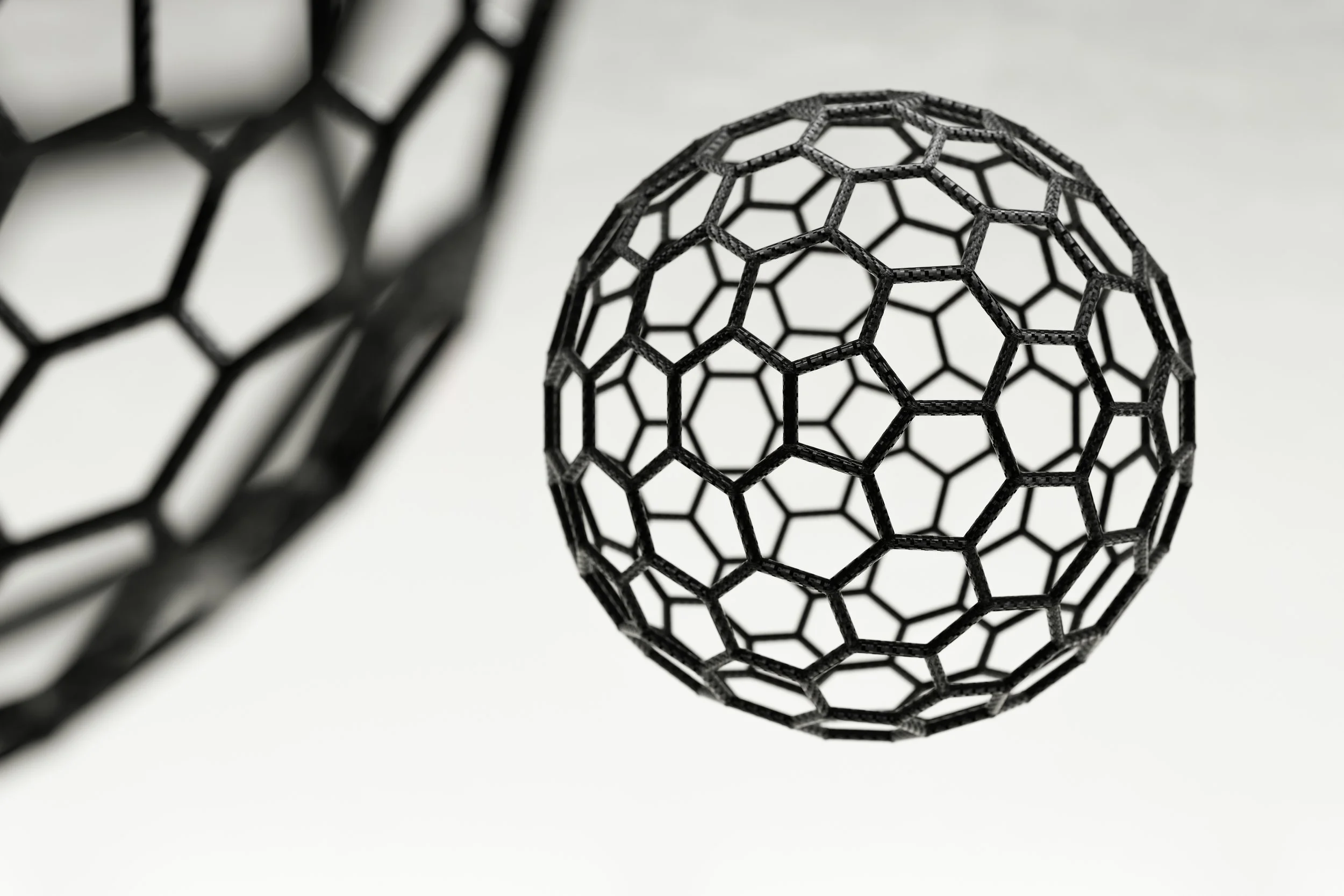
Fullerene Materials
Nano-C is a fully integrated manufacturer and industrial-scale supplier of fullerene materials and derivatives — one of the few companies in the world that controls and traces every step of the process, from fullerene synthesis to separation, to purification all the way through to final derivatization. That end-to-end accountability means consistent quality, responsive technical support, and a single point of contact for even the most demanding applications.
Nano-C’s product portfolio includes individual fullerenes, including the two most standard forms of C60 and C70, and a broad catalogue of standard and proprietary fullerene derivatives engineered for electronic applications. For applications requiring the highest purity, Nano-C offers sublimed fullerenes at greater than 99.95% purity.
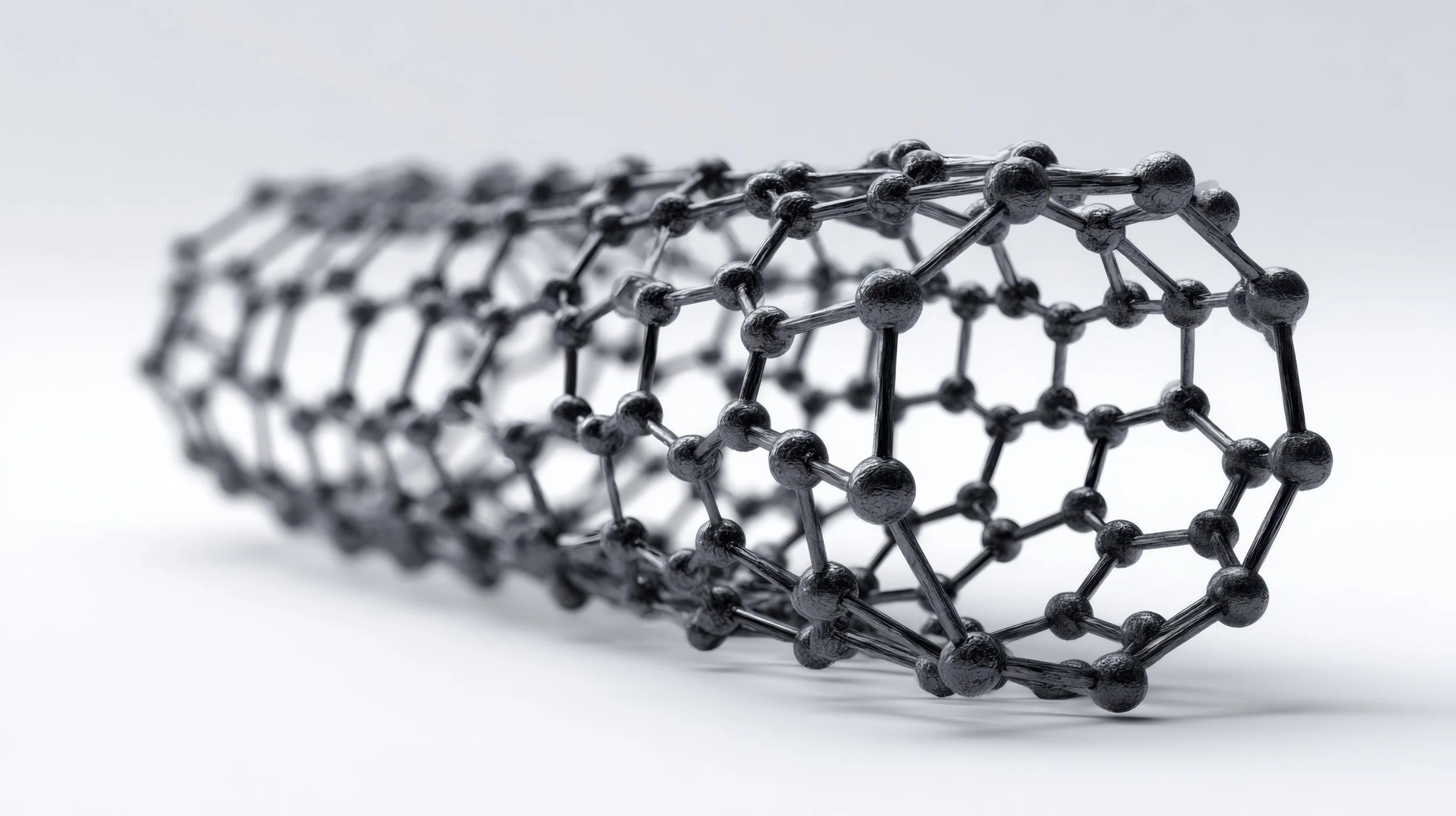
Carbon Nanotubes
Nano-C produces single-walled carbon nanotubes (SWCNT) using a proprietary, scalable, industrial-grade approach that sets us apart from lab-scale and CVD-based suppliers. Nano-C has customized its processes to optimize nanotube characteristics based on application requirements.
The downstream processing for these nanotubes includes purification, functionalization, separation and formulation. The key to making usable products for the market is being able to disperse these materials successfully in a range of host systems in masterbatches or coat-ready ink. Nano-C offers a range of formulations based on customer requirements and applications.